Field Failure Gallery & Installation Pitfalls
Real-world installation pitfalls and mechanical root-cause gallery.
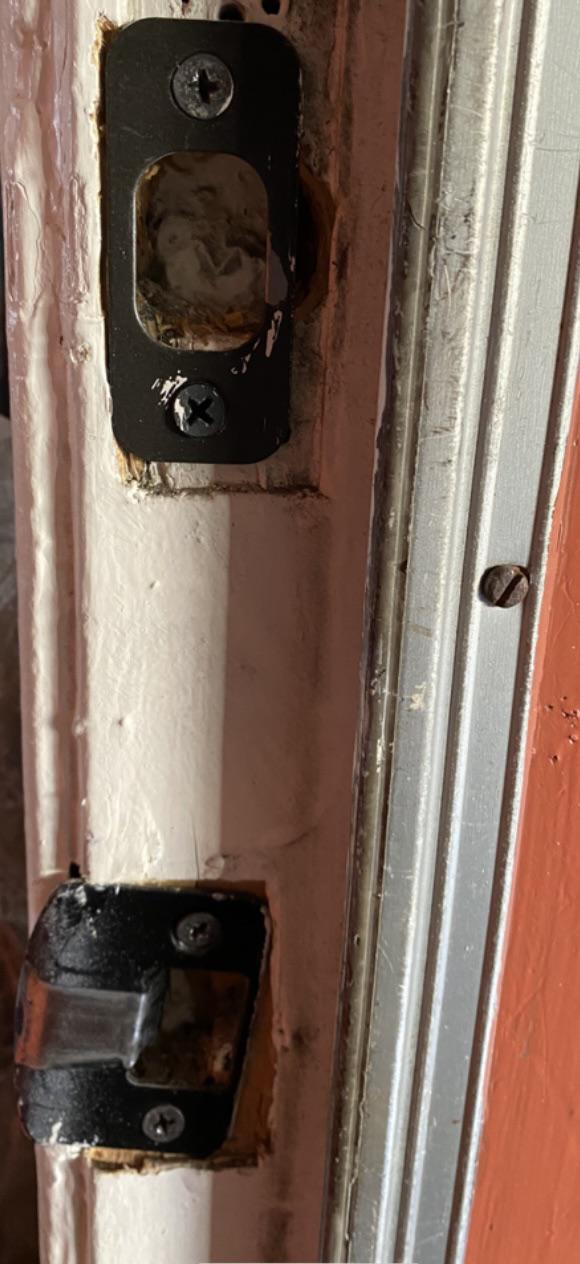 FL-01 · FATAL BINDING
NA (ANSI)
ANSI Deadbolt Strike Plate Binding
 FL-02 · LOCKOUT RISK
Europe (DIN)
Euro Cylinder Lockout Without Emergency Clutch
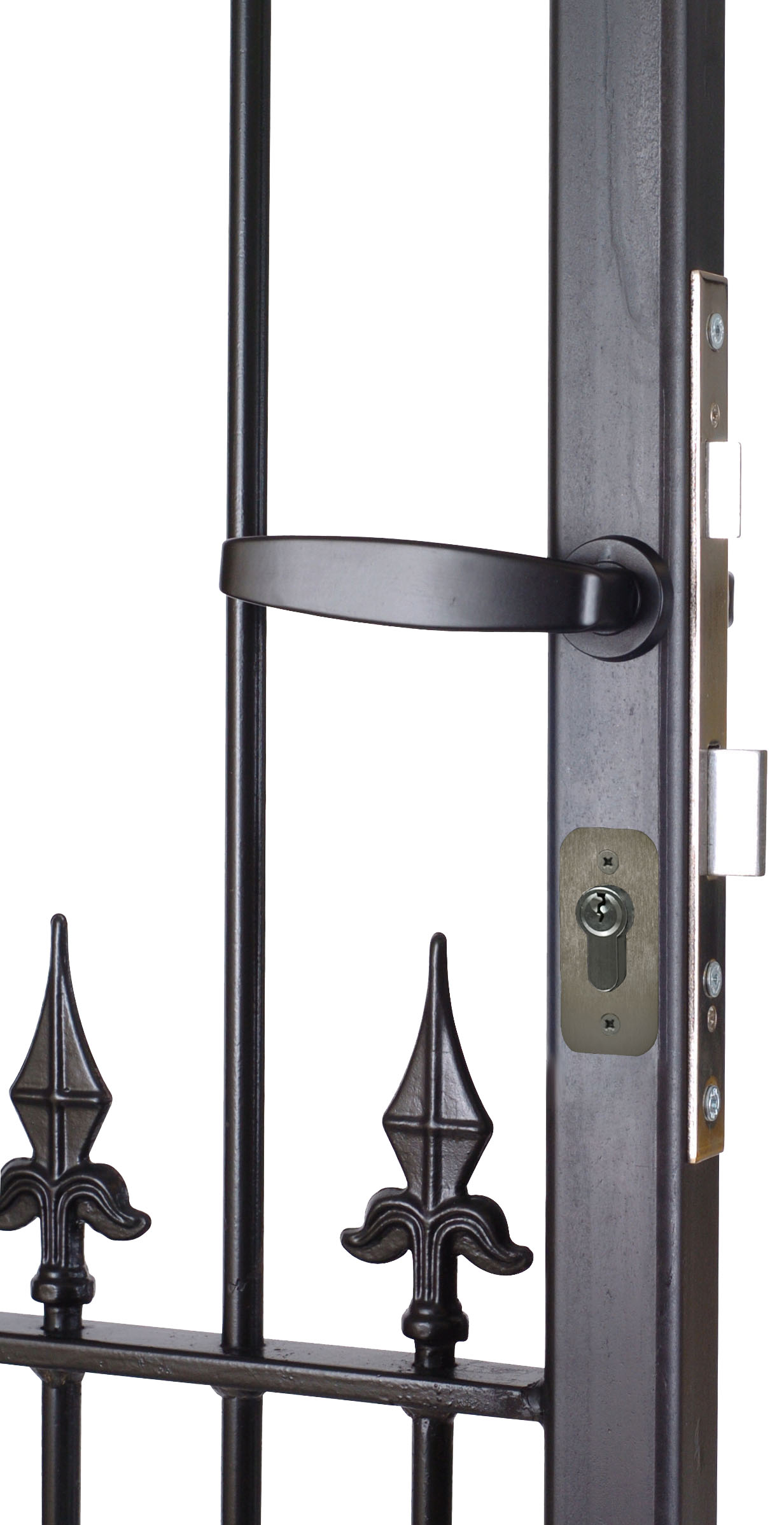 FL-03 · GATE CLASH
Singapore (HDB)
Singapore HDB Metal Gate Lever Handle Clash
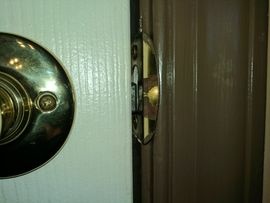 FL-04 · FALSE DEADLOCK
Australia (Lockwood)
Lockwood 001 Auxiliary Latch Floating Risk
 FL-05 · SKIN COLLAPSE
Latin America (ABNT)
Hollow Door Metal Skin Collapse & Deadbolt Friction
 FL-06 · THERMAL LOCKUP
Middle East (GCC)
GCC Extreme Heat Expansion & Strike Latch Binding
🛠 Strike Plate Chamfering Engineering Spec (Eliminating 65% of Motor Stalls)
1. Internal Edge C2 Chamfer (2.0mm Radius)
Factory stamped strike plates have sharp 90° burred edges. Weatherstrip spring-back pushes the bolt against this knife-edge, causing motor stall. File a 2.0mm lead-in chamfer on the strike lip to guide bolt engagement smoothly.
2. Top Frame Hinge 3-Inch Anchor Screws
Door sag is the #1 cause of deadbolt binding. Replace the two inner 3/4-inch screws on the top hinge with 76mm (3-inch) hardened wood screws. This pulls the door jamb tightly into the wall stud framing, restoring latch alignment.
3. Strike Pocket Depth Verification (≥25.4mm / 1")
Deploy ADP-07 stainless shims if the gap exceeds 4mm. Chisel out the timber behind the strike box to a depth of ≥25.4mm (1 inch) so the deadbolt never bottoms out before reaching full travel.