📐 Global Official Lock Drilling Templates & Dimensions Guide
Professional locksmiths, architectural hardware specifiers, and smart lock retrofit technicians rely heavily on 1:1 scale drilling paper templates. Applying these templates directly to the door edge and surface ensures accurate center-punching before drilling or chisel routing.
1. North American ANSI A156.36 Deadbolt Drilling Protocol (Schlage B60 / Kwikset 660)

Fig 1: North American standard 54mm (2-1/8") cross bore & 25.4mm (1") edge bore drilling layout
Standard Imperial & Metric Dimensions
- Cross Bore: 54mm (2-1/8 inch) diameter hole. Drill concentric from both door faces to prevent breakout splintering.
- Edge Latch Bore: 25.4mm (1 inch) diameter, minimum depth 76mm (3 inches) to accommodate full deadbolt retraction throw.
- Dual Backset Fold Lines: Two standard reference positions: 60mm (2-3/8 inch) for traditional residential doors, and 70mm (2-3/4 inch) for commercial/exterior entrance doors.
- Faceplate Recess Mortise: 25.4 × 57mm (1" × 2-1/4"), routed to depth 3.2mm (1/8") flush with door stile edge.
- Door Thickness Range: Standard 35mm ~ 45mm (1-3/8" to 1-3/4"); thick door kit required for 50mm+ (2"+).
Calibration Rule: Before cutting, verify the 100mm (4-inch) test line on the printed sheet with a steel ruler to guarantee 1:1 printer scale (100% scale, disable 'Fit to Page').
2. European DIN 18251 Mortise Pocket & Cylinder Specs (Euro Profile PZ 72/92mm)
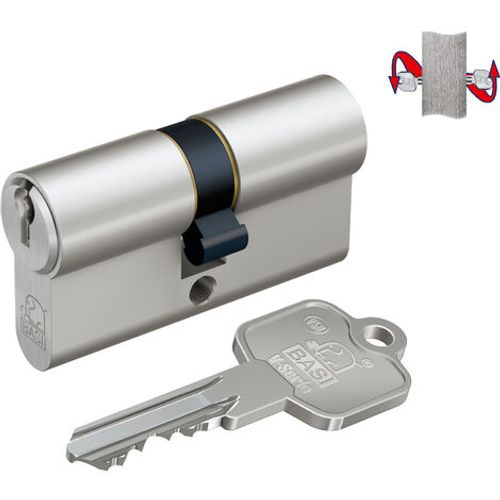
Fig 2: DIN 18251 / EN 12209 Euro profile mortise dimensions & PZ centers
Standard DIN Dimensions
- PZ Distance (Center-to-Center): 72mm for interior timber doors; 92mm for exterior entrance and multipoint PVC-U / aluminium doors.
- Standard Backset (Dornmaß): 55mm / 65mm for wooden rebate doors; 35mm / 45mm narrow stile for metal profile doors.
- Spindle Square (Vierkant): 8 × 8mm for standard DIN doors; 9 × 9mm for DIN 18273 fire escape doors (requires ADP-02 adapter).
- Faceplate (Stulp) Dimensions: 20mm or 24mm width (flat Stulp for wood, U-rail for multipoint frames).
- Cylinder Protrusion Rule: Must protrude >= 3mm from door rose to enable mechanical clamp plate fastening.
Emergency Function Requirement: Ensure the Euro cylinder is equipped with double-sided clutch (BS EN 1303 Class 2) so outside manual key override remains operable at all times.